 Sean Fulp
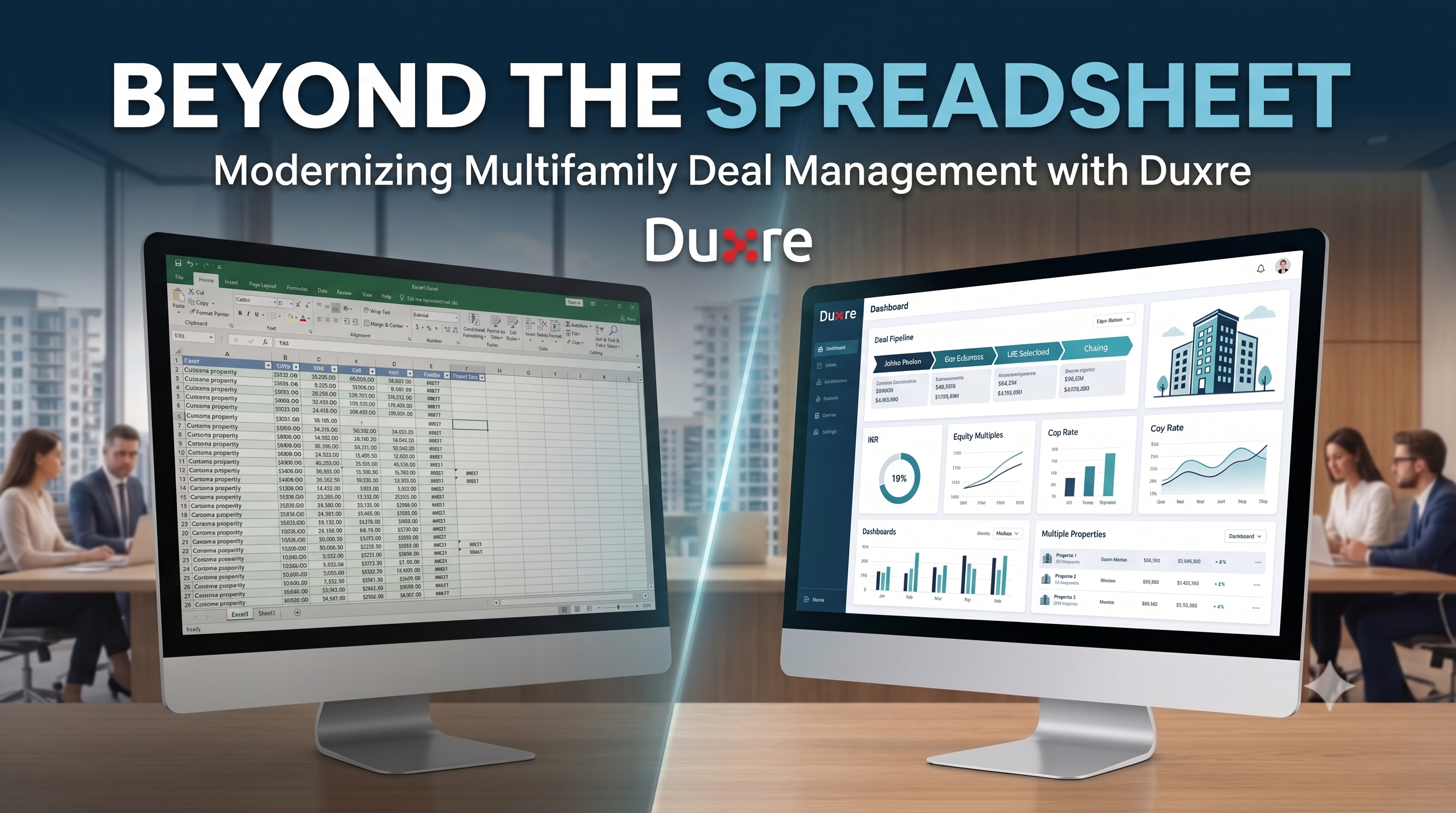
Managing a high-volume commercial real estate pipeline requires flawless execution, yet many brokerage teams still rely on fragmented systems. When handling multifamily assets, the complexity multiplies. Brokers must balance investor relationships, track occupancy trends, and monitor property performance, all while keeping underwriting accurate. Without a centralized hub, critical deal data easily slips through the cracks, leading to delayed follow-ups and missed acquisition opportunities.
To stay competitive, modern brokerages are moving away from disconnected legacy tools. They need a unified system that handles everything from the initial lead to the final closing. Platforms like Duxre are reshaping how commercial real estate professionals manage operations by combining pipeline tracking, client relationships, and deal intelligence into a single, cohesive operating system. Navigating the multifamily landscape demands a strategic approach to technology—one that eliminates administrative friction and allows brokers to focus entirely on closing deals.
Why Multifamily Deal Management Capital Desperately Needs Structure
The multifamily sector moves fast. Unlike single-tenant commercial properties, multifamily assets involve a dense mix of moving parts, including complex rent rolls, fluctuating cap rates, and varied asset classes. Managing these deals on generic spreadsheets or outdated software quickly creates operational bottlenecks.
The Cost of Disconnected Systems

Many brokerage teams use separate applications for email marketing, client tracking, and document storage. When a team utilizes one platform for lead generation and another for underwriting, data siloing becomes inevitable. Brokers waste hours manually moving information between applications, increasing the risk of data entry errors that can compromise a deal's financial accuracy.
Fragmented Client Relationships
In investment sales, your database is your most valuable asset. When client interactions are scattered across personal notebooks, text messages, and individual email accounts, the entire firm suffers. If a broker leaves the firm or takes time off, institutional knowledge is lost. Without a centralized commercial real estate CRM, teams lack clear visibility into which institutional buyers or private investors are actively looking for multifamily assets.
Inefficient Workflows and Poor Pipeline Visibility
Without clear workflow automation, deal progression relies entirely on memory. Critical steps—such as following up on a sent offering memorandum, verifying buyer qualifications, or tracking escrow milestones—are easily overlooked. Leadership teams are left without accurate pipeline visibility, making it nearly impossible to forecast quarterly revenue or allocate administrative resources effectively.
Practical Strategies to Improve Brokerage Productivity
Overcoming these operational challenges requires more than just working longer hours. It demands a systematic optimization of your technology stack and daily workflows. Here are actionable strategies to help your team reclaim time and accelerate deal velocity.
1. Centralize Your CRM and Deal Management
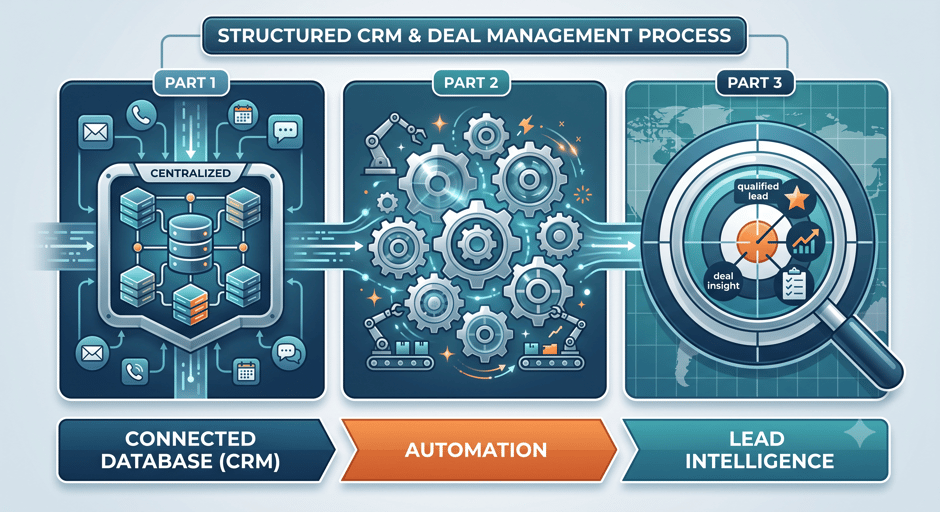
Stop forcing generic sales software to handle complex commercial real estate transactions. A specialized commercial real estate CRM should connect your properties, listings, and contacts in a single database.
- Link Contacts to Assets: Ensure your system associates specific investors with their preferred asset classes, geographical targets, and deal-size thresholds.
- Consolidate Documents: Keep offering memorandums, letters of intent (LOIs), and due diligence materials tied directly to the digital deal file.
2. Automate Repetitive Administrative Tasks
Brokers should spend their time negotiating and building relationships, not copy-pasting data. Implementing automated workflows keeps deals moving forward without manual intervention.
-
Lead Routing: Automatically assign incoming property inquiries to the right leasing or investment sales specialist.
- Task Triggers: Set up your system to auto-generate a checklist of compliance and escrow tasks the moment an LOI is signed.
- Follow-up Reminders: Program automatic alerts to ping brokers when a high-value prospect hasn't been contacted in 30 days.
3. Implement Advanced Lead Intelligence
Knowing who to call is just as important as knowing when to call them. Modern lead intelligence tools analyze market data, ownership records, and historical transaction patterns to highlight properties most likely to trade. By focusing your outbound sourcing efforts on high-probability leads, you significantly increase your listing win rate.
4. Streamline Property-Level Data and Software Integration
While brokers focus on transactions, they must also understand operational health. Multifamily assets rely heavily on specialized property tech. Whether an owner uses standard multifamily property management software, advanced multifamily asset management software, or niche multifamily leasing software, brokers need a clean way to interpret that data during underwriting.
While you don't need to run the day-to-day operations yourself, understanding how a property's multifamily management software tracks historical occupancy, net operating income (NOI), and compliance metrics ensures your team builds highly accurate financial models.
Common Tech Mistakes Brokerages Should Avoid
When updating your firm's technology stack, avoid these frequent pitfalls that can hinder adoption and drain your budget:
-
Buying Single-Point Software Solutions: Avoid purchasing individual tools for email blasts, pipeline tracking, and document signing. This creates a fragmented tech ecosystem that frustrates your team.
- Ignoring Mobile Accessibility: Commercial brokers are rarely tied to their desks. If your deal management platform doesn't function flawlessly on mobile devices, your data entry will lag, and pipeline accuracy will suffer.
- Neglecting Data Standardization: Allowing every broker to enter data differently leads to a messy database. Establish strict guidelines for entering property types, contact roles, and deal stages.
How Duxre Modernizes Commercial Real Estate Operations
To eliminate operational silos, brokerages need a comprehensive solution built specifically for the nuances of the industry. Duxre functions as an AI-powered commercial real estate operating system, unifying your entire business by bringing CRM, deal management, and workflow automation into a single dashboard.
Instead of jumping between different applications, teams can use Duxre to manage the entire lifecycle of an asset. From the moment you identify a potential listing using built-in lead intelligence, to running targeted marketing campaigns, the platform keeps your data clean and actionable.
For brokerages dealing heavily in residential commercial assets, staying informed on how owners utilize multifamily housing software or standard multi family property management software is vital. Duxre complements these property-level tools by serving as the overarching transaction and relationship layer.
While a landlord uses a specific system as their multifamily leasing software or relies on a dedicated tool to determine what is the best multifamily compliance system for affordable housing, Duxre empowers the broker to aggregate those insights. This clear division of labor allows you to present a polished, data-driven narrative to prospective institutional buyers.
By automating administrative tasks and organizing client communication, Duxre provides leadership teams with real-time pipeline visibility. This ensures your brokerage operates with maximum efficiency, predictable forecasting, and a scalable framework for long-term business growth.
FAQs
What is the difference between multifamily property management software and a CRE platform like Duxre?
Multifamily property management software handles day-to-day property operations, including rent collection, tenant maintenance requests, and leasing workflows. A commercial real estate platform like Duxre is an operating system designed for brokers and brokerage firms to manage client relationships (CRM), property listings, marketing campaigns, lead intelligence, and the overall deal pipeline.
Can Duxre integrate with software for multifamily assets?
Yes. While property managers use multifamily housing software to track property-level data, Duxre acts as the overarching commercial real estate CRM and deal management layer. It allows brokers to centralize and analyze high-level property metrics to successfully market and close investment sales.
How does workflow automation benefit commercial real estate brokers?
Workflow automation eliminates manual administrative tasks by automatically routing incoming leads, generating transaction checklists during escrow, and setting up automated follow-up reminders. This ensures compliance, increases pipeline visibility, and allows brokers to spend more time on revenue-generating activities.
Conclusion
Succeeding in today's fast-paced commercial real estate market requires a shift from disjointed, manual processes to modern, automated systems. By centralizing your CRM, automating routine workflows, and leveraging advanced lead intelligence, your firm can eliminate costly administrative friction and focus on building investor relationships.
To see how an integrated platform can transform your brokerage operations, improve data accuracy, and accelerate your transaction timelines, visit Duxre to explore our workflow optimization tools and resources.